A throw is generally a lighter, more versatile piece, intended mainly for the sofa, an armchair or the foot of the bed, with a role that is as decorative as it is functional. A blanket can have a heavier weight, a larger size and a more intense level of warmth.

Bed Linen
Bed Blankets
A carefully chosen selection of bed blankets in the most select qualities of merino wool, mohair, cashmere or alpaca.
At Matarranz, we offer a selection of bed blankets in natural fibres of select qualities: merino wool, mohair, cashmere or alpaca. Each piece is chosen for its thermal properties, feel and durability. We work with private customers, hospitality and restaurant projects and interior design professionals looking for elegant, long-lasting bed blankets for bedrooms or high-end spaces. Shops in Madrid (C/ Lagasca, 21) and San Sebastián (C/ San Marcial, 20).
Bed Blankets
Bed blankets in merino wool, mohair, cashmere or alpaca. Natural fibres in select qualities for the bedroom.
A natural-fibre bed blanket is not just an extra layer of warmth. It is the piece that regulates temperature through the night without generating excess heat, that adds weight and texture to the bed, and that improves with use rather than wearing out.
At Matarranz, we select bed blankets in the qualities with the best balance of warmth, breathability and durability.
Bed Blankets in Natural Fibres: Merino Wool, Mohair, Cashmere or Alpaca
The choice of fibre determines how the blanket performs: its weight, its warmth, its feel and how it responds to washing. Each fibre has its own properties, making it better suited to a particular use or user.
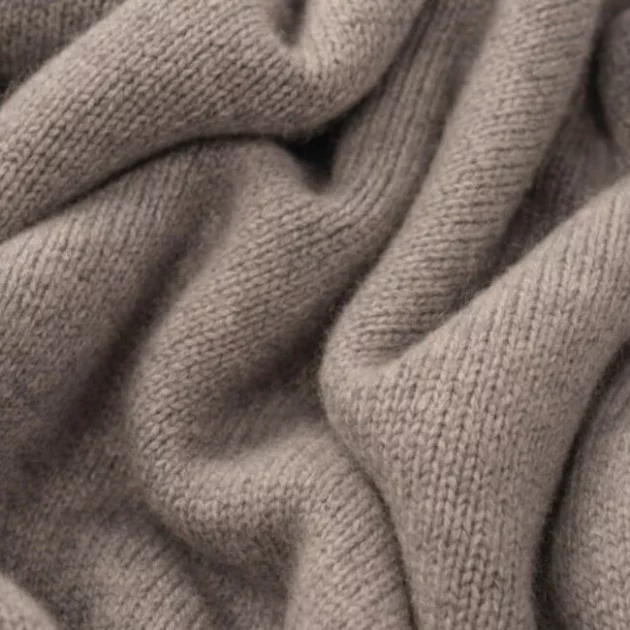
Merino Wool: Warmth, Breathability and Thermal Regulation
Merino wool is the benchmark fibre for bed blankets in everyday use. Its fine fibre diameter — under 20 microns in the finer qualities — produces a blanket that is soft to the touch, without the itch associated with conventional wool, while also actively regulating body temperature.
It is the usual choice for bedrooms with intensive heating, for those who experience temperature changes through the night, and for hotel projects where seasonal versatility is a requirement.
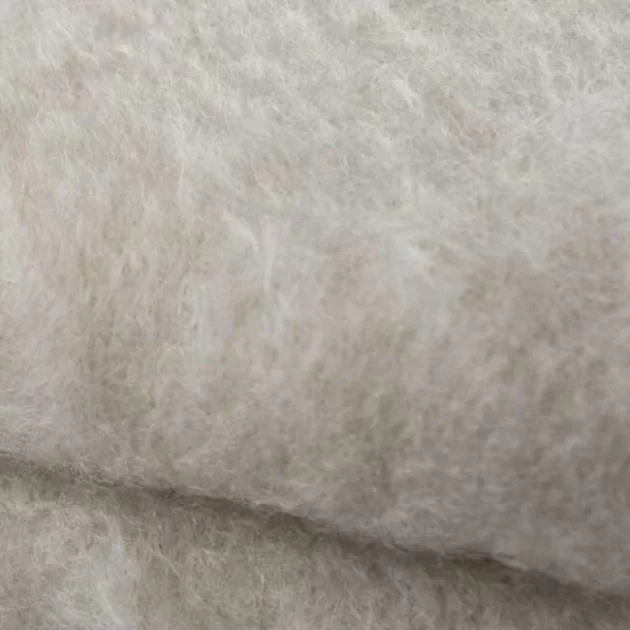
Mohair: Lightness and Exceptional Feel
Mohair, obtained from the Angora goat, produces one of the lightest and most lustrous fibres available in home textiles. A mohair blanket provides significant warmth for very little weight and has a natural sheen that gives real visual presence to the bed.
It requires more delicate care than merino wool — cold or dry cleaning — which makes it better suited to more selective use, and to bedrooms where the aesthetics of the whole are as important as comfort.
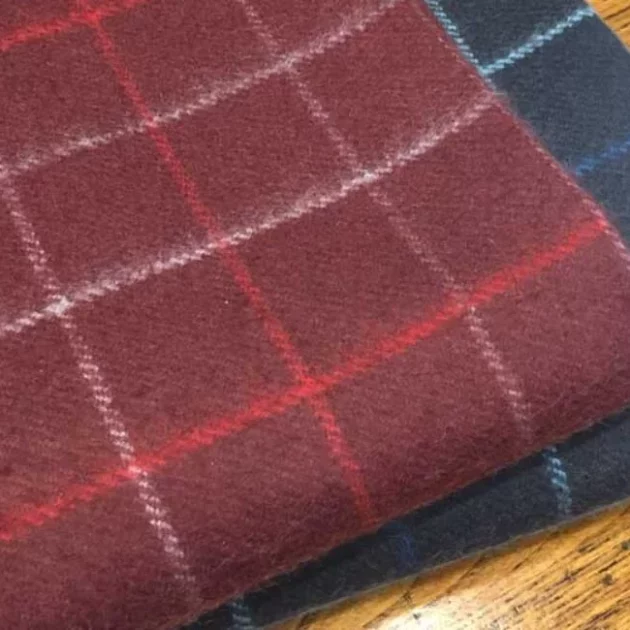
Cashmere: The Softest Fibre
Cashmere is the softest fibre used in bed blankets. Obtained from the hair of the Kashmir goat, each kilo of fibre requires several animals and a full collection season, which explains its price and its value. A high-quality cashmere blanket has a feel that no other fibre matches, and a thermal capacity out of all proportion to its weight.
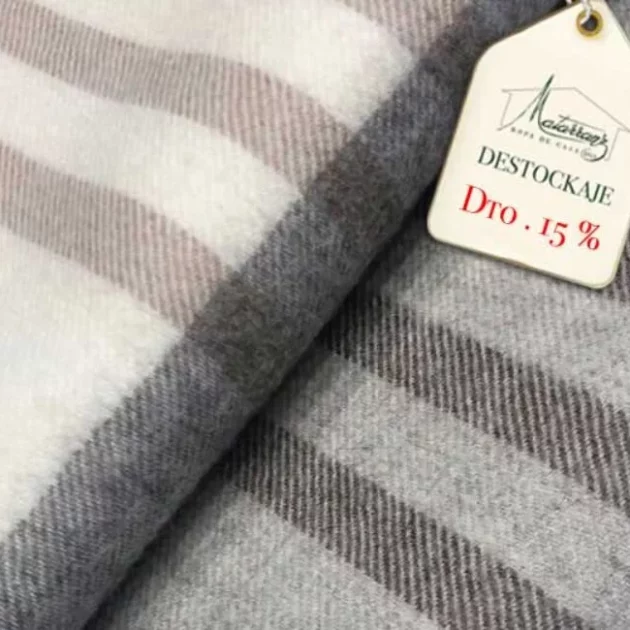
Alpaca: Intense Warmth and a Hypoallergenic Fibre
Alpaca combines warmth superior to merino wool with a property that sets it apart: it is naturally hypoallergenic and contains no lanolin, the component in wool that causes reactions in sensitive skin. It is the choice for anyone who needs a winter bed blanket with maximum warmth and does not tolerate conventional wool well.
Its fibre is more resistant than cashmere and requires less specific care, making it particularly well suited to regular use in main bedrooms.
Which Bed Blanket to Choose, Depending on the Season
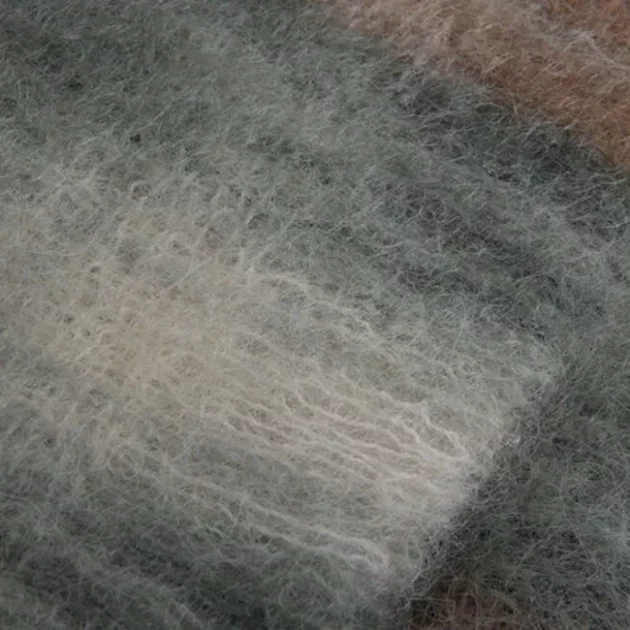
Bed Blankets for Winter
For the coldest months, the fibres with the greatest insulating capacity are alpaca and cashmere in heavier weights. Merino wool above 400 g/m² also provides the level of warmth needed for cold nights without sufficient heating. Mohair in medium-to-heavy weights is the option for those who want winter warmth with as little weight on the bed as possible.
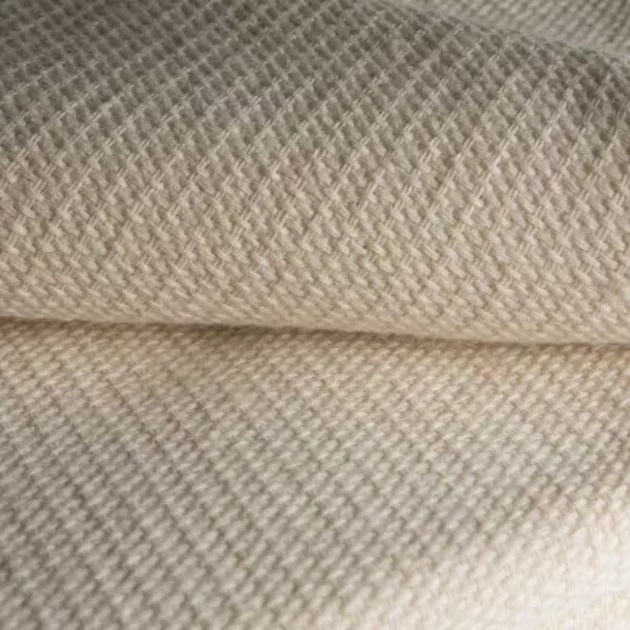
Bed Blankets for Spring and Autumn
In spring and autumn, merino wool in weights of between 200 and 350 g/m² is the most versatile fibre: it regulates temperature without causing perspiration and keeps you comfortable through changes in temperature. It is the blanket that can be used across the most months of the year.
Bed Blanket Sizes: A Guide by Bed Type
The size of a bed blanket determines its side drop and how well it covers the bed.
- Single bed (90 cm): a blanket of at least 160 x 220 cm for a correct side drop.
- Bed 105 cm wide: a blanket of 160 x 220 cm or 180 x 220 cm.
- Bed 135 cm wide (double): a blanket of 180 x 220 cm.
- Bed 150 cm wide (queen size): a blanket of 200 x 220 cm. The most requested size for high-end residential projects.
- Bed 180 cm wide: a blanket of 220 x 240 cm or larger.
- Bed 200 cm wide (king size): a blanket of 240 x 260 cm, or made to measure for greater coverage.
Frequently Asked Questions
What is the difference between a blanket and a throw?
Which throw should I choose for the sofa?
For the sofa in winter, merino wool and alpaca offer the best balance of warmth and soft feel. Mohair is the visually lightest option. For spring and autumn, linen adds freshness and a natural drape. The most common size for a sofa throw is between 130 and 150 cm wide, though a larger format allows greater coverage for bigger sofas. Feel is the main consideration when the throw is used daily, not just for decoration but also for warmth.
Are Matarranz blankets and throws suitable for hospitality or interior design projects?

How to Combine a Bed Blanket with the Rest of Your Bed Linen
The bed blanket occupies a prominent visual position in the bedroom: it sits over the bed linen and is the first piece the eye takes in on entering the room. How it is combined with the other pieces — fitted sheets, duvet cover or bedspread — determines how the whole set reads.
In bedrooms with bed linen in white or neutral tones, a blanket in camel, pearl grey or tan adds visual warmth without breaking the overall harmony. In bedrooms with more character, a blanket with visible texture — chunky-knit merino wool or mohair with natural pile — can be the piece that gives the space its personality.
The blanket can also be used over the bedspread in the colder months, folded at the foot of the bed during the day and laid out at night.
How to Care for a Wool, Mohair, Cashmere or Alpaca Bed Blanket
Correctly caring for a natural-fibre blanket preserves its thermal properties, its feel and its structure for years. Each fibre has its own instructions, but some guidelines apply across the whole collection:
- Merino wool: hand wash or machine wash on a wool cycle at 30°C maximum, with a detergent formulated for wool. Dry flat to prevent the piece losing its shape through moisture. Do not wring or spin at high speed.
- Mohair: dry cleaning is recommended to preserve the sheen and structure of the pile. If hand washing, use cold water with a mild detergent. Dry flat, without wringing.
- Cashmere: hand wash in cold water with a detergent formulated for cashmere. Heat damages the fibre irreversibly. Store folded, not on a hanger, ideally in a fabric bag with natural cedar to protect against moths.
- Alpaca: hand wash or machine wash on a delicate cycle at no more than 30°C. More resistant to washing than cashmere. Dry flat. Does not need tumble drying.
In every case, airing the blanket regularly during the season of use extends the time between washes and preserves the fibre’s natural properties.